June 17, 2026
Downsizing in NJ: Should You Move to a 55+ Community?
For New Jersey empty nesters, moving to a 55+ active adult community isn't about shrinking your life. It's about cutting taxes and upkeep while upgrading your lifestyle.
Is Downsizing Into a 55+ Community in New Jersey Worth It?
For most New Jersey empty nesters, downsizing into an active adult community is less about giving up space and more about cutting the cost and upkeep of rooms you no longer use. A smaller home on a smaller lot can lower your property tax exposure, an HOA can take lawn care and snow removal off your plate, and the equity from selling a long-held home, often shielded by the $250,000 to $500,000 capital gains exclusion, can fund a comfortable next chapter. The real question isn't whether you can live in a smaller home. It's whether your current home still fits the life you actually live today.
By Jason Garrett | June 16, 2026
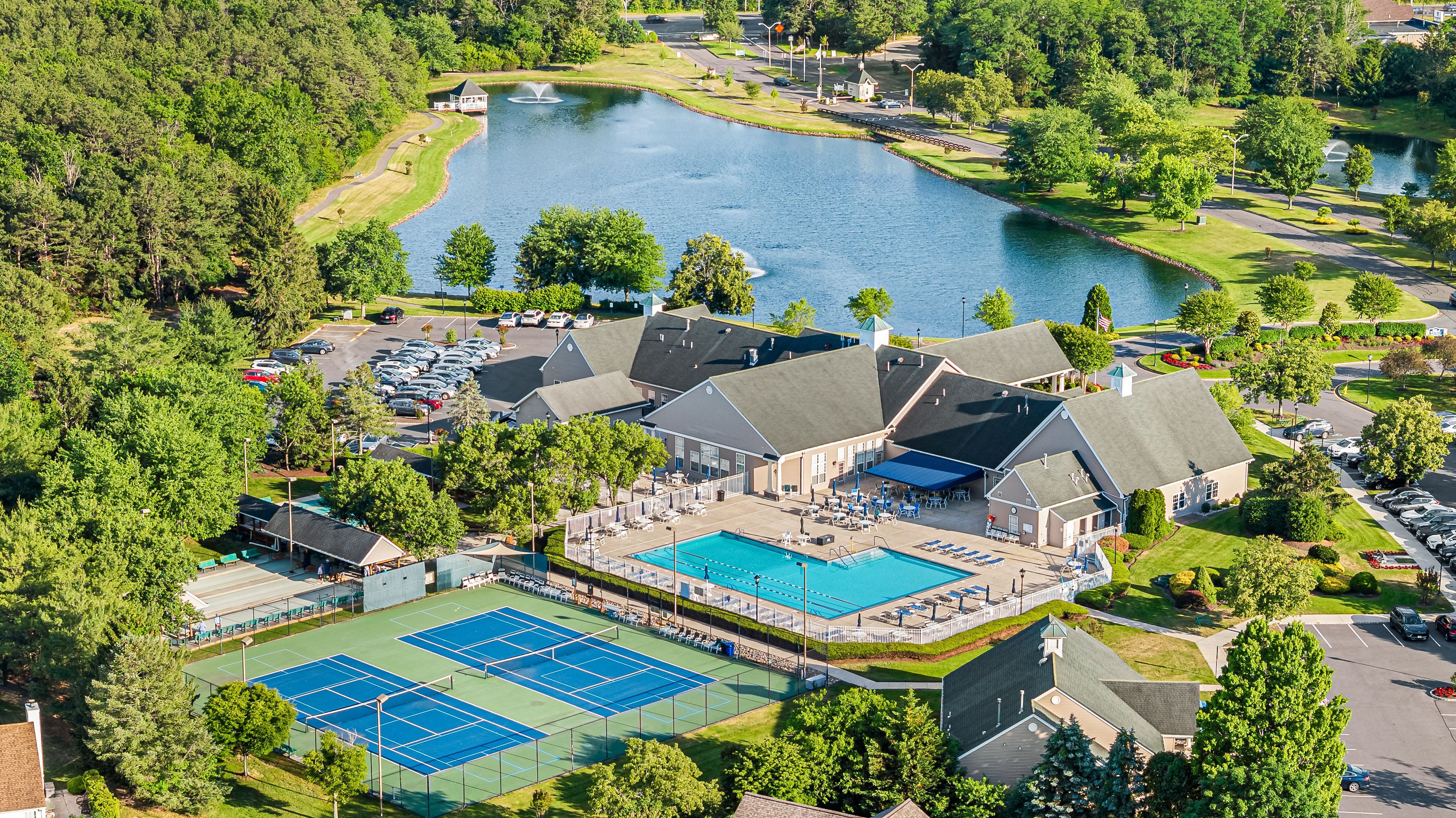
The idea of leaving a home you've been in for a very long time for a smaller home can sometimes feel like a step backward. Less square footage, fewer bedrooms, a smaller footprint than the home that holds decades of memories. But here's what a lot of homeowners find once they actually tour New Jersey's active adult communities: it doesn't feel like downsizing at all. It feels like trading unused guest rooms for resort-style amenities, weekend yard work for walking trails and fitness classes, and constant maintenance for a home built around how you want to live now.
In this video, I walk through the full strategy behind downsizing into a 55+ community in New Jersey, from the emotional side of leaving a family home to the tax and equity decisions that make the move work financially.
▶ Watch on YouTube: Should You Buy Into a New Jersey Adult Community?
Start With an Honest Audit of Your Home
Before you think about communities, taxes, or floor plans, start with what I call the emotional audit of your home. Most empty nesters are living in houses designed for a completely different stage of life, back when there were kids, sleepovers, homework at the kitchen table, and guest rooms that actually had guests in them.
Then the kids grow up and move out, and something interesting happens. A big portion of the house just stops getting used. You might still own a four or five bedroom home, but realistically you're living in about half of it. The guest room sees a few weekends a year. The formal dining room comes out for the holidays. The basement slowly turns into long-term storage. Meanwhile, every single month, you're paying to heat it, cool it, insure it, clean it, and repair it.
So walk through your house and ask a simple question: how many of these rooms are essentially just storage? I break this exercise down at 2:23 in the video. When homeowners actually track which rooms they use daily, the answer is usually the kitchen, the family room, the primary bedroom, and maybe one more. Everything else is expensive square footage you're maintaining but rarely living in.
That's the shift that matters. Downsizing isn't about shrinking your life. It's about rightsizing your home to match how you actually live today. Instead of asking "Can I be happy in a smaller home," you start asking "What kind of home would make this next chapter easier and more enjoyable?" For a lot of people, the answer has nothing to do with square footage. It's about simplicity, convenience, walkability, and community.
The Money Side: Taxes, Equity, and Capital Gains
New Jersey has one of the most complex real estate tax environments in the country, so timing a downsizing move well can make a real financial difference.
Start with property taxes. Large homes usually sit on larger lots, which means higher assessments and higher tax bills. Active adult communities are typically smaller homes on smaller parcels, and that alone can reduce your property tax exposure, sometimes significantly. On top of that, New Jersey has state programs designed to help seniors offset property tax costs, and understanding how those apply after a move is worth doing before you list.
Then there's your equity. For many empty nesters, the primary residence has appreciated a lot over the years. As I explain around 8:02, the tax code lets homeowners exclude up to $250,000 in gains if you're single, or $500,000 if you're married filing jointly, when you sell a primary residence, as long as the ownership and residency requirements are met. Timing that sale well matters, because capturing your equity efficiently directly affects your buying power on the next home. A lot of buyers in active adult communities use that equity to lock in premium lot placements, backing to the woods, water views, golf course frontage, or a spot close to the clubhouse.
Not sure how much equity you're actually sitting on? That number is the foundation of any smart downsizing plan, and it's the first thing I'd want to know before you make a move. You can get a quick, no-obligation estimate of your current home's value at tomsriverhomes.com/home-value, and we can build the strategy from there.
What You Actually Get: Low-Maintenance Living and Real Amenities
A big, older home comes with a long and growing list of responsibilities: lawn care, snow removal, roof maintenance, exterior repairs, landscaping, gutters, driveways, tree work. As I get into around 5:53, those jobs don't shrink as the house ages. They get bigger and more expensive, until a lot of homeowners find their weekends quietly taken over by house upkeep they never chose.
This is where well-designed active adult communities change the math. In many New Jersey communities, landscaping is handled for you, snow removal is taken care of, exterior maintenance is built into the HOA, and the shared spaces are professionally managed. That frees your time for the things you spent all those working years looking forward to: travel, fitness, hobbies, dining out, and time with friends and family.
And smaller does not mean stripped down. Today's 55+ homes are built around the spaces that matter most, with open-concept kitchens, spacious living areas, primary suites with spa-style bathrooms, and oversized windows that pull in natural light. Many buyers prioritize main-level living, with the primary bedroom, laundry, and main living spaces all on one floor, which keeps the home comfortable for the long term. Because the layouts are so efficient, homeowners often put their budget into finishes instead of unused rooms: quartz countertops, custom cabinetry, hardwood floors, and smart home technology that improve both daily comfort and resale value.
The amenities are where a lot of communities start to feel like private resorts. Around 10:09, I run through what's common across New Jersey: clubhouses, fitness centers, salt-water pools, indoor and outdoor pools, walking trails, tennis and pickleball courts, event spaces, and an active calendar of social clubs and travel groups. Just as important is the social side. Your neighbors are in the same stage of life, the clubs and events are already organized, and instead of starting from scratch socially, you become part of an active community almost right away. The homeowners I work with often tell me the same thing after they move: they wish they'd done it sooner.
Making the Move Without the Stress
One of the biggest reasons people delay downsizing isn't that they don't want to. It's that the logistics feel overwhelming. As I cover near 12:11, decades of belongings, furniture, and a full garage can make the whole thing feel daunting. The good news is there's now an entire industry built to handle exactly this: professional move managers, downsizing specialists, and white-glove relocation services that coordinate inventory, plan your new floor layout, manage packing, and handle estate sales and donations. Digital inventory tools even let you photograph and catalog what you own before you decide what moves with you, what goes to family, and what you sell, so you can curate your next home intentionally instead of just hauling everything along.
Leaving the family home is emotional, and it should be. But the next chapter doesn't have to mean stepping backward. For a lot of New Jersey homeowners, it means less maintenance, more freedom, better amenities, and a neighborhood full of people entering the same stage of life. That's the real shift active adult communities offer: not smaller living, smarter living.
If you're weighing this move anywhere in Central New Jersey, Ocean County, Monmouth County, or Middlesex County, I'd be glad to help you think it through, from what your current home could sell for to which communities actually fit how you want to live. Reach out for a no-pressure conversation, or start by checking what your home is worth. And if this was helpful, watch the full video above and subscribe for weekly New Jersey real estate breakdowns.
About Jason Garrett
Jay is a New Jersey Shore real estate agent with over 500 closed transactions and a reputation for running one of the most tech-forward operations in the Ocean County market. He works with buyers and sellers across the Jersey Shore area, bringing the kind of process and precision most clients don't expect from a local agent. Peers regularly turn to him for guidance on how to run a smarter business, which tells you everything about where he sits in the market.